Nasty Canuck Weekly — October 18, 2026
A special referendum-eve edition featuring our three-part CANADA, DIVIDED? series, Alberta's ballot guide, and more Canadian stories.
From the Desk
Good Sunday morning, and welcome to a special edition of Nasty Canuck Weekly.
Tomorrow is referendum day in Alberta. One of the ten questions asks whether the province should remain in Canada or whether its government should begin the legal process toward a possible future binding separation referendum. Tomorrow's vote is non-binding. Neither choice would make Alberta a separate country on Monday night.
That distinction matters. So do the people, relationships and obligations behind the political arguments. Over the past three days, we've published CANADA, DIVIDED?, a three-part examination of who might benefit from breaking up Canada, who's involved in Alberta's independence campaign, and what an actual departure would demand.
This is our Sunday reading guide to the full series. The articles take different approaches, and they belong together. You don't have to agree with every conclusion to insist that the questions be answered with evidence.
The Big Read
CANADA, DIVIDED? — Three Questions Before the Vote
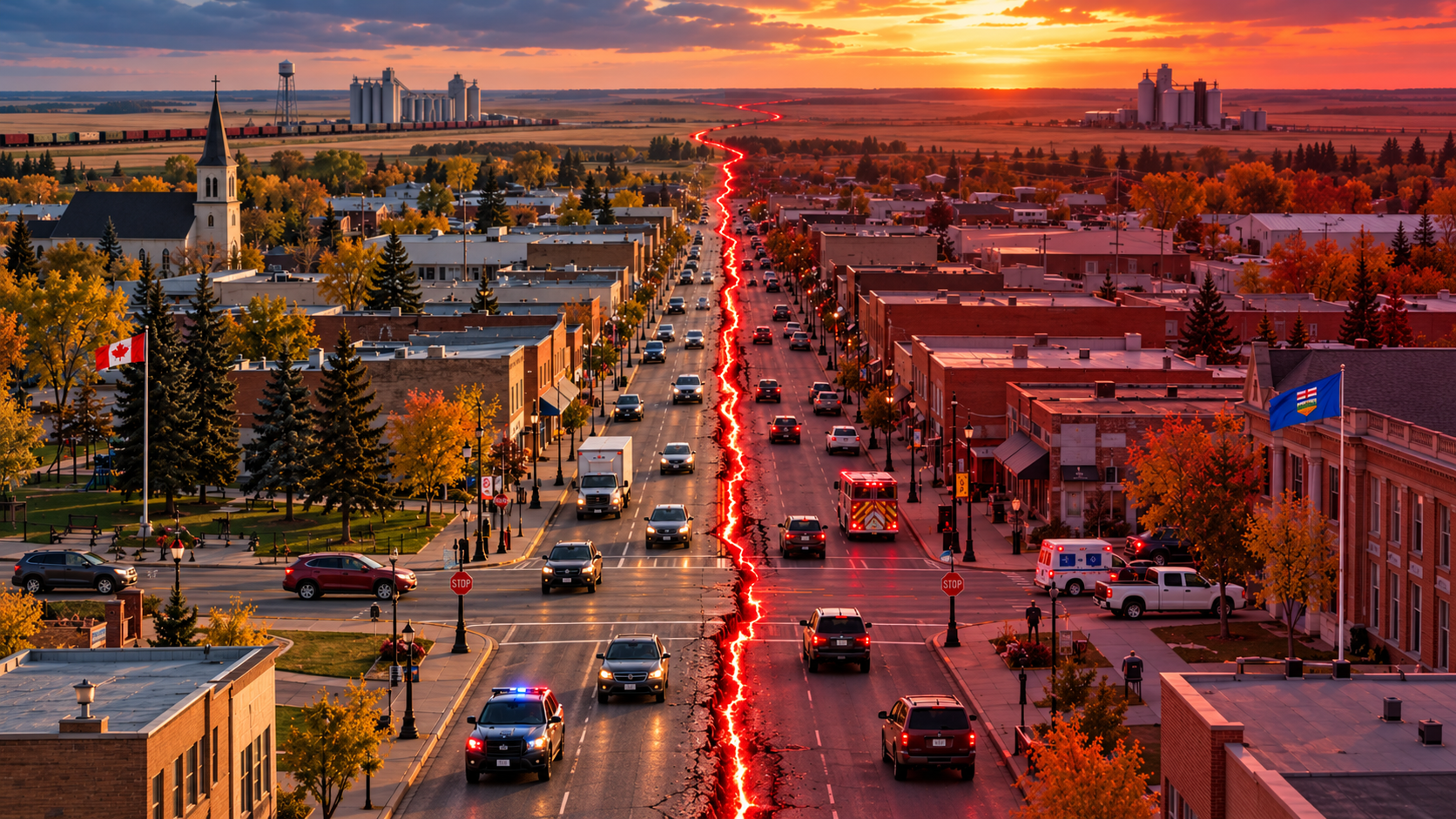
Part 1 — Who Benefits From Breaking Up Canada?
An American strategist has put the idea of exploiting Canada's internal divisions in writing. Alberta separatist organizers have also met with American officials. Those are documented matters worth examining, but neither a published proposal nor a meeting proves that a foreign government is directing a Canadian separatist movement.
Part 1 follows the strategic interests and contacts, separates evidence from suspicion, and asks who might gain if Canada were weakened or broken apart.
Part 2 — Who Is Behind Alberta's Independence Campaign?
A movement doesn't run on speeches alone. It has organizers, overlapping groups, political connections, money questions and claims about whom it represents. Our second instalment looks at the people and organizations involved, what public records establish, and which financial and political questions remain unanswered.
Lawful advocacy is part of democracy. So is asking campaign organizers to be clear about their authority, relationships and promises.
Part 3 — How Canada Actually Comes Apart
In Lloydminster, Alberta and Saskatchewan already share a city. At the Haskell Free Library, an international border runs through a building. Both places show how much everyday life depends on agreements that most of us rarely notice.
The finale takes the question beyond the referendum: treaty and Indigenous rights, constitutional negotiations, citizenship, pensions, public services, pipelines, trade routes and the neighbours who would still have to make things work. A political mandate cannot settle all of that in a single count.
Also Worth Your Time
Alberta Votes October 19. What Can the Referendum Actually Decide?
Separate from the series, our ballot explainer walks through what Question 10 actually asks, why the result is non-binding, and how the government's referendum differs from the citizen-initiative petition being contested in court. It also covers the other ballot questions and the constitutional steps that a future separation attempt would require.
Read the Alberta ballot guide →
Food Security Needs a Route to Market. Here's Who Can Build One.
Away from the referendum, Canadian communities are still dealing with practical problems. Our Food-Link explainer examines the proposed wholesale terminals and regional food hubs, who may qualify for support, and the financing obligations behind the headline funding. A better route to market could help producers and retailers, but lower grocery prices aren't a promised result.
Read the Food-Link explainer →
Canada's Water Strategy Needs to Work in a Dry Year
The St. Mary and Milk rivers put a national water-security discussion on the ground. Our explainer asks how treaty commitments, aging infrastructure, farming needs, Indigenous participation, costs and ecological protections can be reconciled when the water is scarce. A recommendation isn't yet a funded repair or a dependable supply.
Read the water-security explainer →
What We're Watching
The referendum count — and what it actually authorizes
Elections Alberta says Question 10 will be counted first. We'll follow the unofficial results and the official results scheduled for October 29, without treating a non-binding vote as an act of secession. What Alberta's government proposes afterward will matter more than anyone's election-night declaration.
The rights and decisions that don't disappear
We'll also watch the separate citizen-petition court proceedings, Indigenous and treaty-rights positions, and any concrete government response. A new constitutional process, if proposed, will need more than a victory speech. Claims about foreign involvement will continue to be judged by documented conduct, not political preference.
Until Next Week
Canadians will disagree about constitutional questions. That is part of living in a democracy. The harder obligation is to discuss the future honestly, remember who is affected, and keep enough trust to work together after the votes are counted.
Thank you for spending part of your Sunday with Nasty Canuck.
Polite. Persistent. Proudly Canadian.