A New U.S. Customs Rule Starts January 5. Which Canadian Exporters Are Affected?
A U.S. customs broker’s licence may no longer be enough for some shipments. Here’s what Canadian businesses should confirm before January.
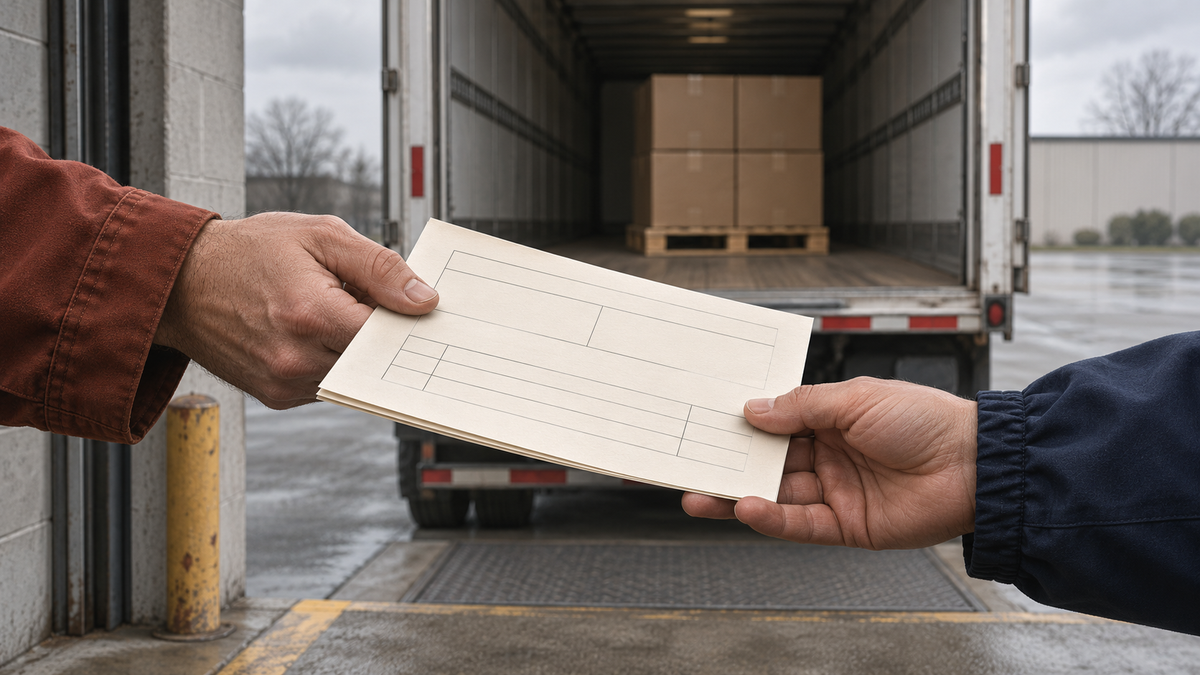
A Canadian supplier that takes responsibility for clearing its goods into the United States may need a different customs broker in January.
Imagine two Canadian suppliers selling the same part to the same American factory. For one shipment, the factory takes responsibility for clearing the goods into the United States. For the other, the Canadian supplier does. On the customs paperwork, that party is called the importer of record. In January, who takes that role can determine which broker can file the entry.
On January 5, 2027, a U.S. Customs and Border Protection interim final rule takes effect. For covered entries, a business acting as a foreign importer of record will need its own validation under the U.S. Customs Trade Partnership Against Terrorism program, known as CTPAT, or a licensed U.S. customs broker that has been validated under the program.
Check whose name is on the entry
The importer of record is responsible for the accuracy of the customs declaration and for applicable duties, taxes and fees. If a customer that qualifies as a U.S. importer of record brings in the goods on its own account, the foreign-importer validation requirement does not apply to that entry. The customer still has to declare its U.S. importer status. If a broker is listed as importer of record on behalf of a Canadian company that would itself qualify as a foreign importer of record, the broker must hold CTPAT validation.
A U.S. subsidiary deserves a closer look. Under the new definition of a U.S. importer of record, a company needs to be organized and located in the United States and meet an additional test tied to qualifying U.S. ownership and control or direct ownership of substantial unencumbered U.S. real estate. A U.S. mailing address or certificate of incorporation alone won’t settle the question.
Small shipments can be covered, too
The rule covers formal entries and informal entries that require CBP Form 3461 or 7501, including electronic equivalents. Ask the broker or courier which entry type it uses. The value of the parcel alone won’t answer that question.
CBP’s filing bulletin says it may reject entries and entry summaries starting January 5 if a foreign importer files without the required validation or a validated broker. Eligible brokers can ask CBP for more time to verify clients claiming U.S. importer status, with full compliance expected by May 6, 2027. The January 5 entry requirement applies even if a broker gets that extension.
What to check before the first January shipment
Pull a recent U.S. customs entry and ask your customer, broker or courier to confirm who is listed as the importer of record and on whose behalf the entry was filed. If you need a validated broker, get written confirmation that the firm filing your January entries holds that status. Allow time for any new broker to get the paperwork in place before the first affected shipment.
Eligible Canadian non-resident importers can apply for their own CTPAT validation. If your application is still in progress, confirm who can file your January entries while you wait.