Nasty Canuck Weekly — October 4, 2026
The stories worth your time, useful context from the week, and what we’re watching next.
From the Desk
If there was a common thread at Nasty Canuck this week, it was the part after the headline.
Canada can announce an AI strategy. It still needs the power, compute, networks, data and companies that make the strategy useful. It can talk about Arctic sovereignty. That still leaves roads, ports, housing, water, power and communications. It can produce enormous volumes of crude and still face a different question when refined-fuel markets tighten: can the right fuel get to the right place when Canada needs it?
Space offers the same lesson from another angle. Canada has often done well by choosing a few capabilities that matter, building them properly and using partnerships to reach further. And because Sunday should leave a little room for something less infrastructural, we also asked who gets to borrow the title “Canada’s Team.”
Here are the pieces we think are worth your time.
The Big Read
Canada’s AI Ambition Needs a Working Stack
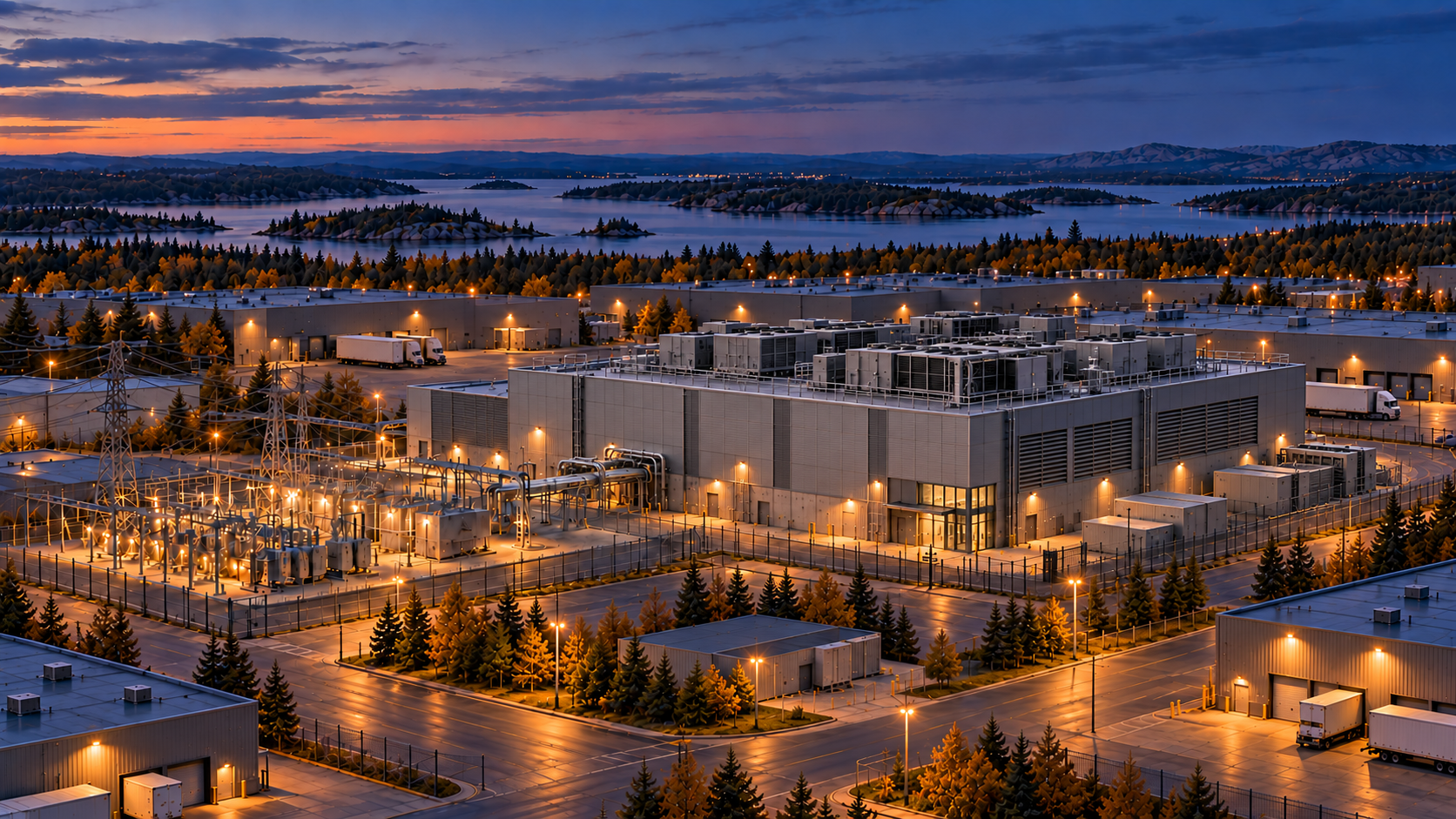
Canada’s AI debate tends to start with research and end with data centres. Our Big Read asks what happens in between — and after.
The story follows the whole stack: electricity, compute, networks, data, commercialization and adoption. The question is whether those layers connect well enough to produce stronger Canadian companies, better public services and practical control over the systems we depend on.
Also Worth Your Time
Arctic Sovereignty Needs Roads, Ports, Power — and Plumbing
Ships, submarines and radar make Arctic sovereignty easy to photograph. The harder part is the infrastructure people need when the exercise ends: roads, ports, electricity, housing, water, wastewater and communications.
We looked at the systems taking shape across the North — and the less glamorous tests that decide whether they will actually work: consent, financing, maintenance and sustained civilian use.
Crude Isn’t Diesel. Canada’s Fuel Security Depends on the Difference.
Canada can be a major oil producer and still have a fuel-security problem. Crude in the ground is not diesel in a truck, jet fuel at an airfield or marine fuel at a port.
A global diesel squeeze gave us a timely reason to ask what a Canadian strategic buffer would actually be for — and whether the answer is crude, finished fuel, regional stocks, more resilient logistics or some combination.
Canada Has Been in Space Since 1962. What Comes Next?
Canada was in space before it had a space agency. From Alouette to Canadarm to RADARSAT, the country has often gained leverage by building selected capabilities that larger partners value.
We looked at what that model means for the next phase of Canadian space policy: what we should control ourselves, where partnerships still make sense and what Canada should expect in return.
Sunday Read
Who Gets to Be Canada’s Team?
Some teams represent Canada because the uniform says so. Professional clubs have to earn it.
We asked when a club can really become “Canada’s Team,” why that title is temporary, and why a national moment does not require the rest of the country to surrender its usual loyalties.
What We’re Watching
The electricity behind AI
The next article in Canada’s AI: From Power to Payoff moves down a layer: generation, grid connections, project costs and what communities get back when large new loads arrive.
The technicians behind the aircraft
A new RCAF–Fanshawe College partnership will bring Transport Canada-aligned aviation-maintenance training to CFB Borden beginning in 2027. We’re watching the less visible side of defence procurement: the people and credentials needed to keep sophisticated aircraft flying.
What 44.8 billion litres says about the transition
Statistics Canada says gasoline sales reached 44.8 billion litres in 2025, a six-year high. We’re looking at what that says about the gap between electrification ambitions, fleet turnover, travel demand and the fuel Canadians are actually buying.
Some of these will become stories. Some will not. That is what watching is for.
Until Next Week
That’s the week from Nasty Canuck.
Polite. Persistent. Proudly Canadian.