What Canada’s ASEAN and Philippines Trade Deals Could Change at the Border
Both agreements are aiming for a 2027 signing. What has to happen before an importer can claim a lower duty?
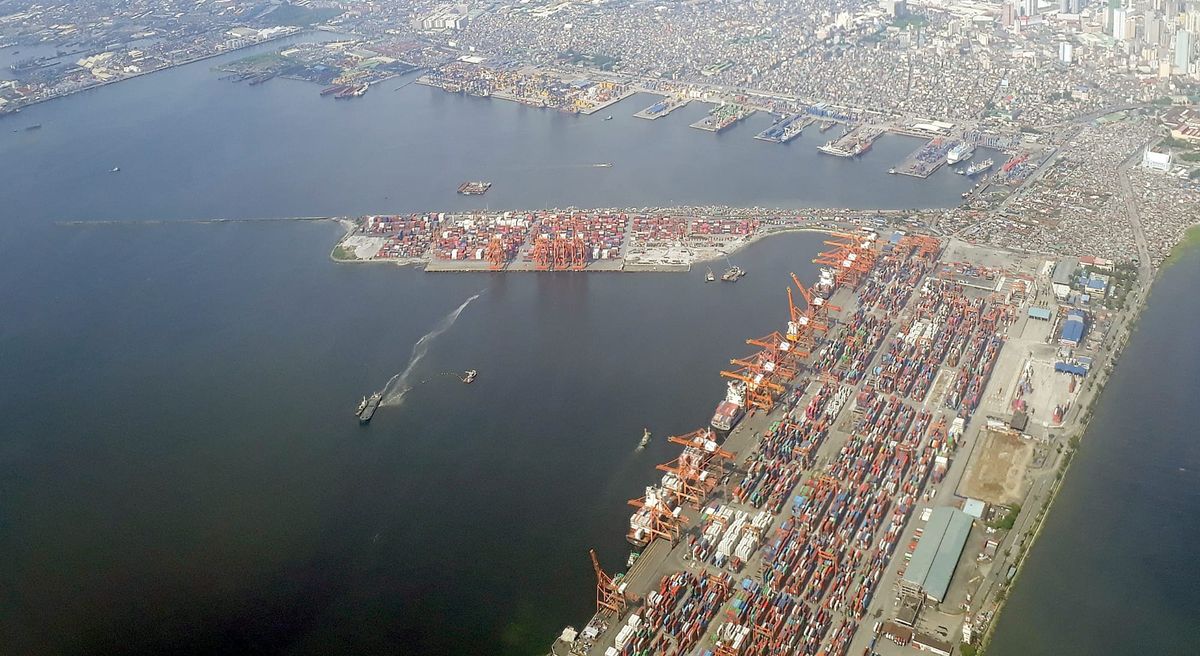

The deals could lower the cost of selling into Southeast Asia. A temporary pork import restriction in the Philippines shows what can still stand between a Canadian exporter and a sale.
Chester Tan, chair of the Philippines’ National Federation of Hog Farmers, called a pause on certain pork imports a big help. The average price farmers received for their hogs had fallen from about 198 Philippine pesos per kilogram in 2025 to 176 in the first half of 2026, according to the country’s agriculture department. The department ordered the 60-day restriction on November 7 after a preliminary finding that rising imports had seriously hurt Philippine hog producers.
Jess Cham, president emeritus of the Meat Importers and Traders Association, warned that the pause could push up prices for shoppers. The association asked the department to withdraw the restriction, saying Philippine importers had already paid overseas suppliers and shipped cargo under valid permits.
On November 14, Canada and the Philippines announced in Manila that they had completed their bilateral talks. The regional talks with the Association of Southeast Asian Nations, or ASEAN, were substantially concluded. The Philippines and Canada are aiming to sign their deal in 2027. ASEAN is targeting the same year. The announcements left the tariffs importers pay today in place.
The Philippines was one of Canada’s five biggest pork export markets in 2025, even as Canadian shipments there fell almost 24 per cent by volume.
Why a Philippine buyer could have a choice
The Philippines is part of the regional negotiation. If both agreements take effect for the Philippines, a buyer may be able to claim a preferential rate under either one. Canadian exporters already face a similar choice in the United Kingdom, where the bilateral deal and the Pacific trade pact have different requirements.
The comparison starts with the customs code for the product. The tariff schedule sets the rate. The rules of origin determine whether the goods qualify, and the importer needs proof to claim the rate. The distinction mattered in Canada’s recent negotiations with China, where whole canola seed and canola meal faced different duties.
What still has to happen
After signing, the federal government normally tables the agreement in the House of Commons. Any legislation needed to implement it goes through Parliament. Even after a deal takes effect, some tariff cuts can phase in over several years. Neither agreement’s tariff schedule accompanied the Manila announcement. Philippine news outlet BusinessMirror reported that the detailed bilateral commitments had yet to be disclosed.
Frozen bone-in hams are among the products listed in the Philippine order. The order says the 60 days begin when customs issues an implementing order or 15 days after publication in two newspapers, whichever comes first. International Trade Minister Maninder Sidhu told The Canadian Press that Canada was still talking to the Philippines about pork access.
When the schedules come out, importers can compare the duty on the same cut under both agreements. For the buyers who have already paid their suppliers, the first answer has to come from customs.