Canada Exports the Rehearsal, Too.
Ottawa-based Calian says a new five-year NATO contract is worth roughly $47 million. It's a win for Canadian defence expertise, although how much work and revenue will stay in Canada remains unclear.
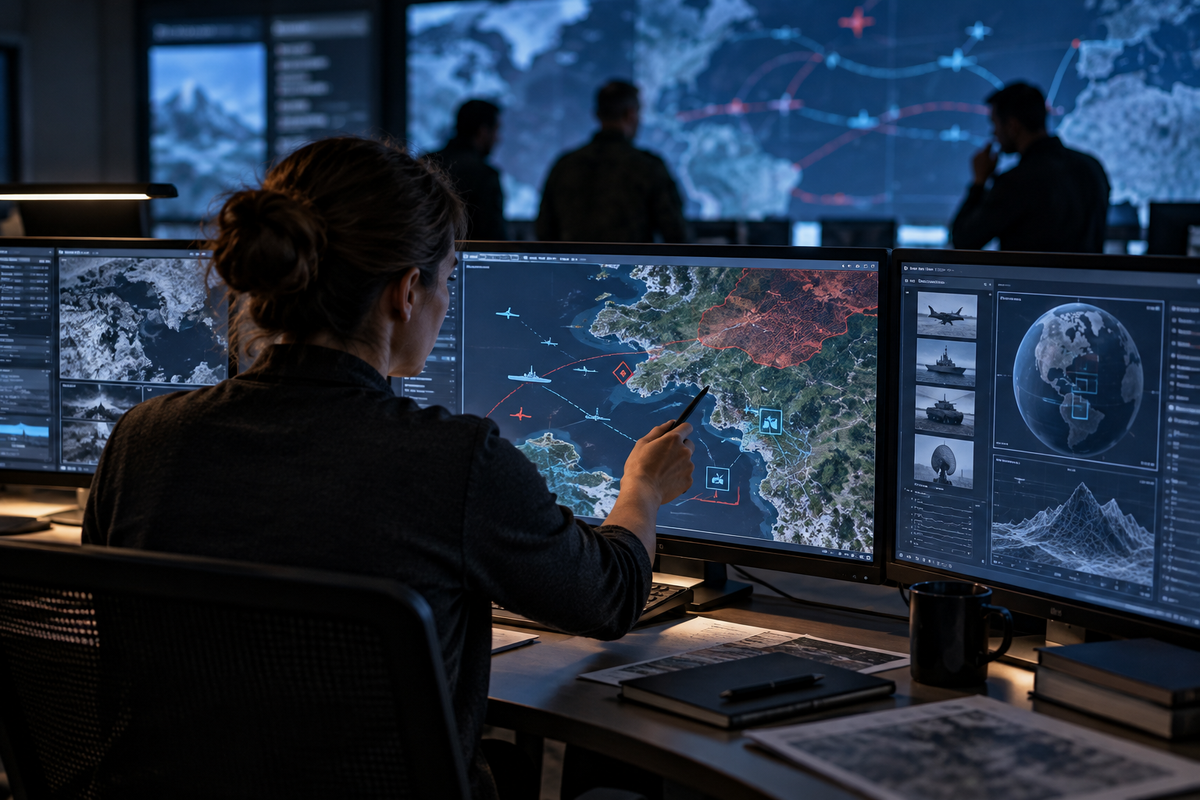
You can't rehearse a crisis until somebody builds one. For NATO commanders, that means a believable world of competing threats, incomplete information and decisions that won't wait politely for the next briefing.
On October 14, Ottawa-based Calian announced a five-year contract worth approximately C$47 million to continue developing military training scenarios for NATO's Joint Warfare Centre in Stavanger, Norway. The company says it won the work through a competitive process, extending an established relationship with the Alliance.
This isn't a contract for tanks, aircraft or missiles. Calian helps build the simulated environments in which military headquarters practise responding to complicated, fast-moving situations. Its work includes designing, developing and maintaining scenarios that test how commanders and staff make decisions and coordinate their actions.
Making an imaginary crisis feel real
NATO's Joint Warfare Centre describes its training scenarios as fictional but realistic environments for collective defence and crisis-response exercises. They can span five military domains: land, air, maritime, cyberspace and space.
That breadth matters. A military headquarters may have to consider developments across several domains while dealing with political pressures, civilian consequences and rapidly changing information. The challenge is to make those demands realistic enough that commanders and their staffs can practise handling them together.
Calian says its scenario-development teams incorporate political, military, economic, civil and information factors into the exercise environment.
A useful scenario does more than ask whether one military unit can accomplish a task. It can test whether people from different services and allied countries understand the same problem, coordinate their responses and adapt when the situation changes.
That's particularly relevant to NATO, where military effectiveness depends on forces from different countries being able to operate together.
Canadian expertise on an international stage
Calian isn't a newcomer to this work. In 2022, the company announced its NATO 360° training-support contract, with an initial one-year term, four option years and a potential value of C$15 million. The latest announcement is another chapter in a longer relationship, rather than a Canadian company breaking into NATO training for the first time.
That history is worth recognizing. Canada has companies capable of competing internationally on specialized defence services, including work that depends on experienced people, technical knowledge and a detailed understanding of how allied militaries operate.
There's an economic distinction worth keeping in view, however. Calian is headquartered in Ottawa and operates internationally, but its latest announcement doesn't disclose how many jobs this particular contract will support in Canada, where all the work will be carried out or what portion of the contract's value will flow through Canadian operations.
The approximately $47 million is the reported value over five years, not an annual payment or a verified measure of Canadian employment. Those details matter when judging the domestic economic benefits of an international contract.
For now, the award demonstrates continued demand for expertise supplied by a Canadian-headquartered company. The extent of its contribution to Canada's workforce and industrial capability will become clearer as the work proceeds.
Not every useful Canadian defence export needs to roll off an assembly line. Some of that expertise goes into making sure allied commanders have faced difficult decisions in training before they encounter them for real.